Need a quote? Give us your information below and we will get back to you.
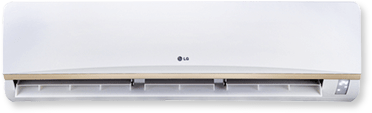




If you’ve switched on your ducted heating and noticed a strange smell drifting through your home, it’s a sign that something is wrong. While some odours are harmless and temporary, others are a sign that there are underlying issues in your ducts that may affect your health, safety, and the performance of your system.
Ducted heating is designed to circulate warm, clean air throughout your home. When unusual smells appear, it often means something inside that system isn’t functioning as it should. Knowing what these smells mean and when to act can save you from costly repairs and potential hazards.
This blog will look at the types of unusual smells to be aware of, what they mean and what to do if you notice any strange smells.
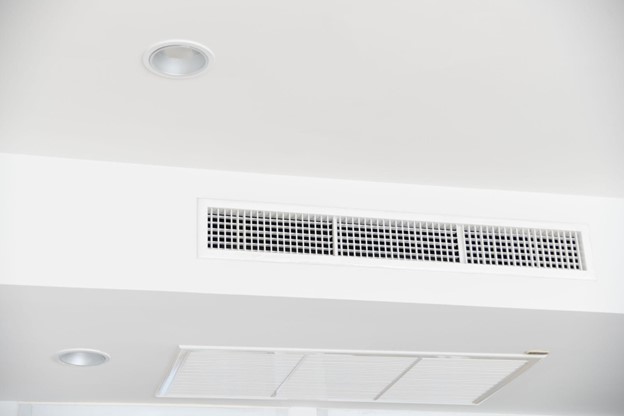
Your ducted heating system moves air through a network of ducts hidden in ceilings, floors, or walls. Over time, dust, dirt, moisture, and even pests build up inside these spaces and remain stagnant. When the system is turned on, especially after months of inactivity, these materials can produce noticeable odours.
In some cases, the smell is simply caused by dust burning off internal components. Other times it may be a sign of mould growth, electrical faults, or contamination inside the ductwork. The key is understanding the type of smell and how long it lasts.
Common Types of Vent Smells and What They Mean
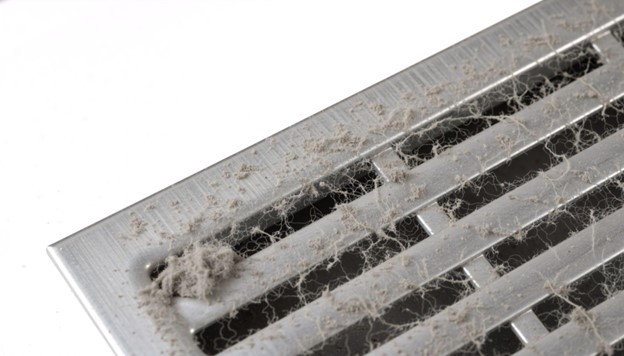
One of the most common smells people notice is a dry, slightly burnt odour when the heater is first turned on. This occurs when dust builds up on heating elements and inside the system during warmer months. When the heater runs again, the dust burns off.
This is generally not a cause for concern as long as the smell fades within 30 to 60 minutes.If the smell lingers or happens frequently, it may indicate excessive dust buildup or poor airflow that requires cleaning or servicing.
If you notice a damp, stale smell coming from your ducts, it is often a sign of moisture problems inside your system. When condensation builds up inside ducts or on internal components it can create an environment where mould and mildew thrive.
Mould spores can circulate through your home, lowering air quality and potentially causing respiratory issues or allergic reactions.
This type of smell usually requires professional duct cleaning or repairs to eliminate the source.
A sharp, chemical, or plastic-like smell is a serious warning sign. Possible causes of this include:
When this occurs, these issues can lead to electrical fires if not addressed quickly. If you notice this smell, turn off your heating system immediately and contact a qualified technician.
A strong, unpleasant odour similar to something that is rotting or decaying is hard to ignore, and for good reason. Small animals, rodents or insects can enter ductwork and become trapped, leading to decomposition inside the system.
This isn’t something that will resolve on its own. A professional technician like those at Maroondah Air Services will locate and remove the source of the smell.
If the air from your vents smells slightly sweet or chemical-like it could indicate a system fault. This may be related to leaking fluids or internal component issues. These smells can signal problems that affect both system efficiency and indoor air quality. When this smell occurs, have the system inspected as soon as possible.
If your system runs on gas and you notice a gas-like odour, it should always be treated as an emergency. Gas leaks are extremely dangerous and can pose a serious risk to both your health and safety.
A small leak can lead to fire hazards, explosions, or harmful exposure if inhaled over time. If you detect this kind of smell, turn off your heating system immediately, avoid using electrical switches or open flames, and leave the property straight away.
Once you’re at a safe distance, contact emergency services or a licensed technician to inspect and resolve the issue.
Not every smell coming from your vents means something is wrong, but knowing how to tell the difference is key to avoiding bigger issues.
These are typically harmless and part of normal operation, especially after your system hasn’t been used for a while.
If an odour doesn’t fade quickly or seems out of the ordinary, it’s best to have your system inspected by a professional. By engaging with ducted heating services in Melbourne early on, homeowners can prevent more serious problems from occurring.
Poor air quality caused by mould, dust, or other contaminants can have a real impact on your wellbeing. When these particles circulate through your ducted heating system, they spread throughout your home and can be inhaled.
For households with children, elderly residents, or anyone with respiratory conditions such as asthma or allergies, exposure to these airborne irritants can worsen symptoms, trigger breathing difficulties, and reduce overall comfort indoors.
Keeping your heating system clean and well-maintained helps ensure the air you’re breathing is safe, fresh, and healthy for everyone in your home.
Electrical faults and overheating components often give off noticeable smells before they fail completely. These warning signs such as a burning or plastic-like odour should never be ignored.
Catching the issue early can prevent serious damage to your heating system and reduce the risk of dangerous situations like electrical fires. If you notice these types of smells, it’s important to switch off the system and have it inspected by a qualified technician as soon as possible.
Small issues such as clogged filters or minor moisture buildup can quickly turn into much bigger and more expensive repairs. What might start off as reduced airflow or a faint odour can eventually lead to strain on the system, component failure, or even complete breakdown.
By addressing these problems early, you can often avoid major repair work altogether. Regular maintenance and prompt attention to warning signs not only help extend the lifespan of your ducted heating system but are also typically far more cost-effective than dealing with a full system repair or replacement later on.
A ducted heating system that isn’t working properly will struggle to heat your home effectively. When airflow is restricted or components aren’t working as they should, the system has to work harder to maintain the desired temperature.
This not only reduces comfort, with some rooms feeling warmer or cooler than others, but also increases energy consumption. As a result, your energy bills can rise without getting consistent or efficient heating throughout your home.
There are a few common factors that can contribute to unpleasant smells in ducted heating systems, including:
Most of these issues develop gradually, often going unnoticed until the smell becomes obvious. That’s why routine servicing is essential as it helps identify and address the cause of the problems early before they turn into more serious issues.
You should get in touch with your local ducted gas heating repairs specialists if:
Even if the issue appears minor, a qualified technician can diagnose the underlying cause and fix it. Early inspection and repair can prevent further damage, improve safety, and help ensure your ducted heating system continues to operate efficiently.
While not all smells can be avoided, regular maintenance can significantly reduce the chances of problems developing. There are a few simple preventative measures you can take to prevent odours:
Not only do these preventative measures help keep your system clean, efficient, and safe to use, they’ll also help keep your energy bills from rising. Which matters in the current cost-of-living crisis.
Strange smells coming from your vents are more than just a nuisance; they’re often an early warning sign that something isn’t right. While a brief dusty smell can be normal, persistent or unusual odours should never be ignored.
Your ducted heating system is essential for comfort during colder months. Taking action when something seems off can protect your home, your health, and your investment.
With over 25 years of experience, our team knows the ins and outs of electric and gas based ducted heating systems. At Maroondah Air, we can perform a safe, affordable, and efficient ducted gas heating service, gas heater repair and gas heater replacement.
Get in touch with us on 03 9738 2000 or drop us a message to have your ducted heating checked today.
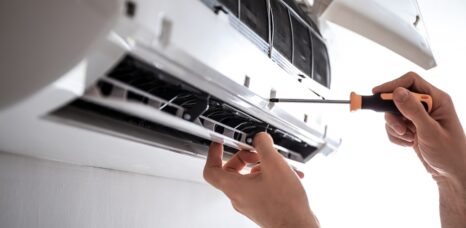
Air conditioning issues demand prompt attention. Discover the top 5 signs your air conditioner needs immediate repair for optimal comfort and performance.

Melbourne winters are long, and so many of us rely on heaters to stay warm and cosy throughout the cooler months. Much like cars and other appliances, your heating system needs a little TLC to perform at its best. This is why regular maintenance is so important. As much as regular maintenance and repairs are … Continue reading A Beginner’s Guide to Choosing a Reliable Heating Service
If well maintained, ducted air conditioning can provide excellent indoor climate control and keep you comfortable all year long. However, it’s important to remember that these systems work hard, especially if you have a large home, business or warehouse. Unlike portable air containers, you can’t simply take them down to your local repairer. From the … Continue reading 5 Signs You Need Ducted Air Conditioning Maintenance
As winters become cooler and cooler, we’re all depending on our heaters more than ever. This is why it’s even more inconvenient and frustrating when something goes wrong. If you own a gas-based heater, we’re here to provide a simple guide to choosing the right repair team. Whether you own ducted gas, a gas log … Continue reading Choosing the Right Professional for Your Gas Heater Repair: Practical Tips
Wondering if it’s time to get your ducted heating serviced? Whether it’s gas or electric, regular maintenance is important for every heating and cooling system. From optimal performance to energy efficiency and safety, a little upkeep can keep it in great working order. As one of Melbourne’s leading HVAC teams, we’re here to help you … Continue reading Signs You Need to Service Your Ducted Heating System

As Australia’s weather becomes more and more unpredictable, a reliable heating and cooling system is more important than ever. Of the numerous options available, ducted gas heating continues to be a popular choice for Melbourne homes and businesses. However, like any system, it needs regular attention to perform at its best. Whether you’re dealing with … Continue reading Booking a Ducted Gas Heating Repair Service: What You Need to Know

Whether you use gas or electricity, getting that quarterly bill can be a shock! Thankfully, the Australian Government has put together a solution for struggling with daily living costs. If you want to take advantage of the Victorian Energy Rebate, this article is your ultimate guide to receiving helpful program benefits for your household or … Continue reading How to Get the $300 Victorian Energy Bill Rebate and VEU Program Benefits
While split system air conditioners tend to get the most attention, evaporative cooling continues to be one of the best options on the market. However, much like any air conditioner, a regular tune-up will help them to keep you cool all summer long.So, how can you choose the right evaporative cooling service provider? We’ve compiled … Continue reading Practical Tips for Choosing the Right Evaporative Cooling Service Provider
Whether your unit is relatively new or a number of years old, there are many benefits that come with regular split system maintenance. On a basic level, it’s all about keeping your system humming and free from major functional issues. However, this is only a snapshot of the bigger picture. Throughout this article, we’re going … Continue reading The Benefits of Regular Split System Maintenance
Planning to use your evaporation cooling this summer? Noticed an issue with the way it’s operating? Whatever the circumstances, it’s important to get it checked out and serviced by an expert. Knowing that maintenance is needed is one thing, but finding the right service provider is another. Luckily, we’re here to break down everything you … Continue reading Why Regular Servicing is Essential for Your Evaporative Air Conditioner